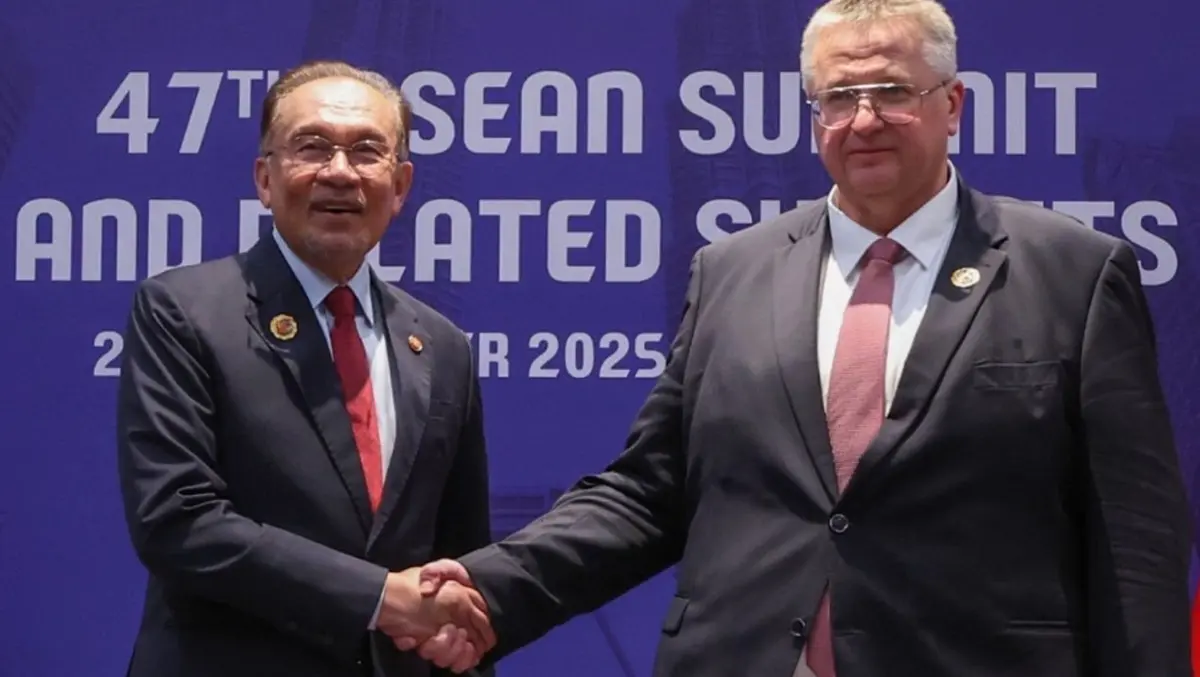



Trade Tensions and Regional Conflicts Dominate ASEAN Summit in Malaysia
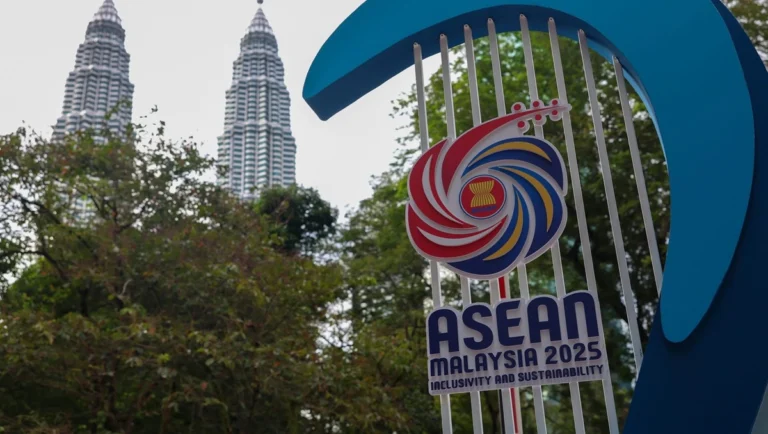
X/ @NgaKorMing
October 23, 2025 Hour: 10:10 am
World leaders will attend the meeting amid Trump’s trade war.
Starting Sunday, October 26, Malaysia will host the annual summit of leaders from the Association of Southeast Asian Nations (ASEAN) and its allies.
RELATED:
Lavrov and Rubio Hold Bilateral Talks During ASEAN Summit
This meeting takes place amid the trade war unleashed by US President Donald Trump, who is expected to attend the regionally important event.
Other leaders such as Brazilian President Lula da Silva and South African President Cyril Ramaphosa are also expected to travel to the Malaysian capital for the 47th edition of the summit. The event traditionally serves to strengthen or forge alliances and gauge the regional influence of Washington and Beijing.
After a year of tense negotiations following Trump’s wave of tariffs—some of which resulted in trade agreements with reduced duties in certain Southeast Asian countries—the trade war will be an unavoidable topic of discussion, particularly on Sunday, when Trump’s participation is scheduled.
Origins and Importance
Founded in 1967, the Association of Southeast Asian Nations comprises Singapore, Malaysia, Vietnam, Indonesia, Thailand, the Philippines, Myanmar, Brunei, Laos, and Cambodia. East Timor will officially join as the bloc’s eleventh member during this summit.
Composed of emerging economies, ASEAN collectively holds a gross domestic product of US$4.1 trillion—comparable to that of Japan or India—and a total population of about 693.5 million people, according to the International Monetary Fund (IMF).
ASEAN’s goal, with Malaysia currently holding the rotating presidency before handing it over to the Philippines at the end of the gathering in Kuala Lumpur, is to accelerate economic growth and regional development. The group’s first leaders’ summit was held in 1976, and this year’s edition is expected to be the largest to date.
China and the United States
The trade war is expected to dominate the summit agenda, especially given Trump’s planned attendance in Kuala Lumpur. Other invitees include Chinese Premier Li Qiang, Australian Prime Minister Anthony Albanese, and U.N. Secretary-General Antonio Guterres.
Trump will meet face to face with ASEAN leaders after imposing tariffs on a region heavily dependent on exports. To mitigate the impact, several Southeast Asian nations have diversified their markets and sought new partners, including in Europe and Latin America.
Exports from China—the ASEAN bloc’s largest trading partner—have increased as a result of the tariffs. In September, they rose 14.7% year-over-year, according to China’s General Administration of Customs.
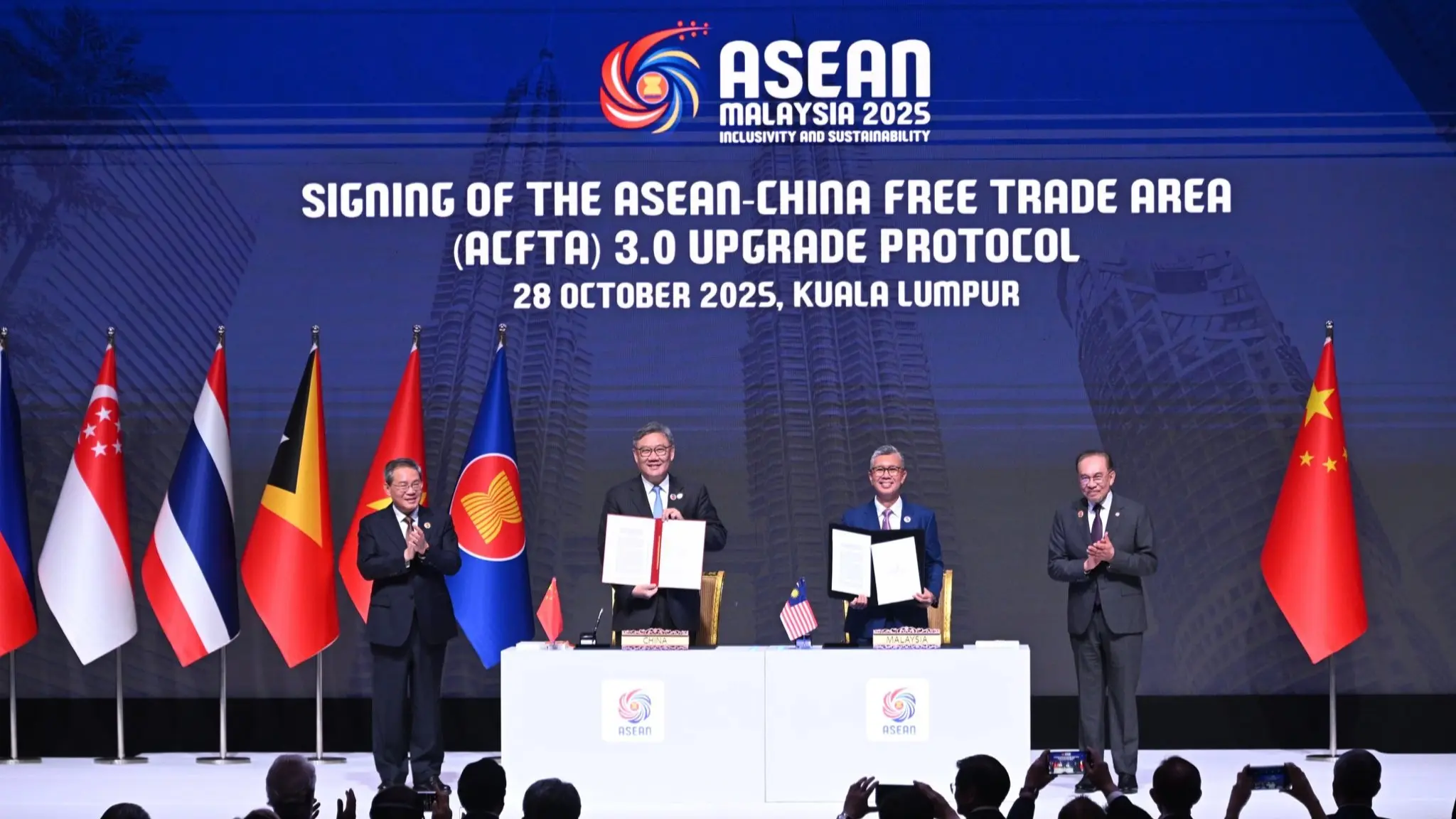
Beijing may also use the Kuala Lumpur summit to propose an update to its existing free trade agreement with ASEAN.
A Regional Conflict
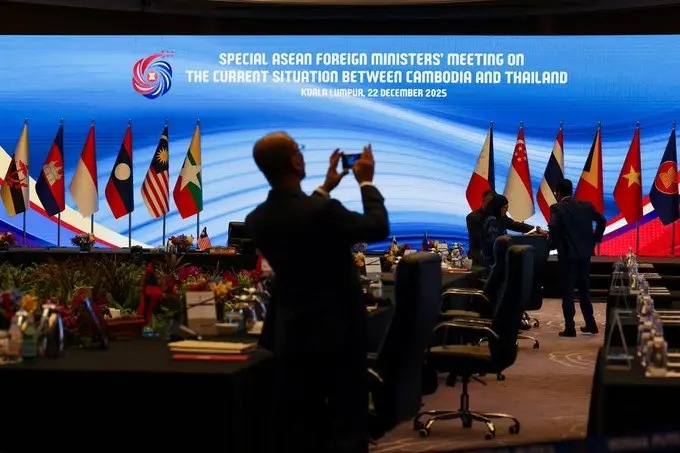
Tensions between Thailand and Cambodia are expected to be another flashpoint. The two nations, which have a long-standing territorial dispute, engaged in a five-day border clash in July that left about 50 people dead.
Although both sides signed a ceasefire agreement in Kuala Lumpur soon afterward, a series of land mine incidents has kept the truce fragile. Malaysia confirmed last week that it will join the United States in mediating renewed peace talks, a move reportedly encouraged by Washington.
According to ASEAN, the ceremony will take place Sunday, coinciding with Trump’s visit. The U.S. president has claimed credit for helping resolve the conflict, having intervened during the peak of tensions by threatening to delay trade agreements with Bangkok and Phnom Penh until hostilities ceased.
The South China Sea Issue
Another recurring topic on the ASEAN leaders’ agenda is the South China Sea, which China claims almost entirely—an assertion that conflicts with the interests of Vietnam, Malaysia, Indonesia, and the Philippines.
Manila, which maintains a mutual defense treaty with Washington, has had particularly tense relations with Beijing over the disputed waters, where Chinese and Philippine vessels have repeatedly clashed amid mutual accusations.
The conflict in Myanmar, exacerbated by the 2021 military coup, will also be discussed. The junta currently in power plans to hold elections in December, which the opposition has denounced as a sham.
teleSUR/ JF
Source: Xinhua